‘Fall Back’ on November 2 as Daylight Saving Time (DST) Ends
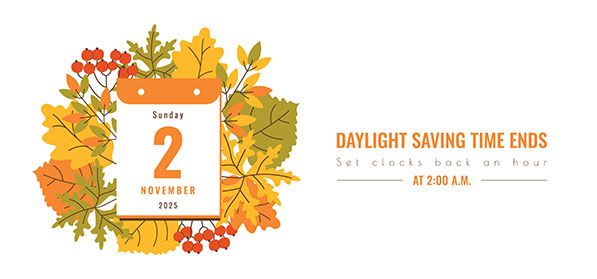
At 2 a.m. this Sunday, November 2, daylight saving time (DST) officially ends — meaning while most of us will enjoy an extra hour of sleep, employers will need to make sure overnight workers are paid correctly for their time worked, regardless of what the clock says.
Because our clocks “fall back” an hour, those working overnight shifts may actually work an extra hour. For example, if an employee’s regular shift runs from 11 p.m. to 7:30 a.m., that shift will be nine hours long instead of eight (including a 30-minute meal break) once the clock resets at 2 a.m. To avoid paying overtime, employers can adjust schedules so that the total worked hours remain consistent — potentially scheduling some employees to work from 11 p.m. to 6:30 a.m. and others from 12 p.m. to 7:30 a.m.
If employers don’t modify their regular shifts, and the end of DST results in an employee working a nine-hour shift, they must be paid overtime for the extra hour. In California, overtime is owed if all hours worked in a “workday” day exceed eight.
The time change may also affect employees more broadly. As a recent Stanford Medical study summarized, “The biannual time shift is not only inconvenient, it’s also known to be acutely bad for our health.” Shifting time affects people’s circadian rhythms — the body’s innate, roughly 24-hour clock, which regulates many physiological processes — and doing it twice every year is the worst thing for it, as the study points out.
Circadian rhythms can be modulated by light, so prioritizing morning light exposure can help. So, next week, consider encouraging employees to get outside and soak up the sun. This can elevate not just their productivity but also their health and moods.
As the biannual clock changes continue, employers should double-check timekeeping practices to ensure they are correctly paying employees.
Talia DeMello, Editor, CalChamber
CalChamber members can access detailed information on daylight saving time and overtime pay in HR Library. Not a CalChamber member? Learn more about how HRCalifornia can help you.