From the Experts: Employer’s Obligations When Wild Animals Injure an Employee at Work
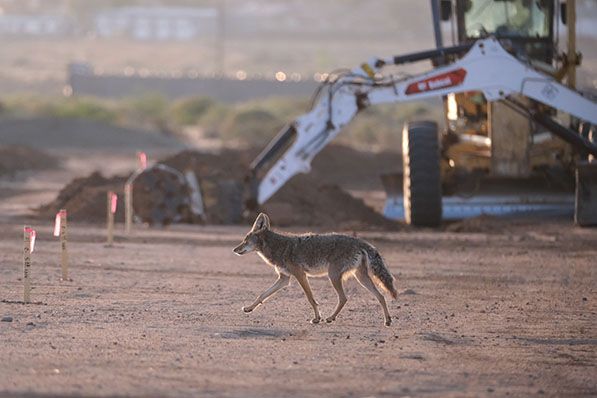
When an employee was at a customer’s residence performing work, he encountered a coyote that bit him. The employee required stitches and a series of vaccinations. Can the employee file a workers’ compensation claim? Is there anything else we need to consider?
Employees who work outdoors, travel to customer locations or perform services in remote areas sometimes encounter wildlife. Whether an employee encounters a coyote on a trail, a territorial flock of geese at a pond or a bear near a remote location, wildlife encounters can trigger significant obligations for California employers. When a wild animal bites or injures an employee during the performance of their job duties, California employers must address several legal obligations involving workers’ compensation and workplace safety.
Workers’ Compensation
A wild animal-related injury, like a bite, may qualify an employee for workers’ compensation benefits if the injury arose out of and occurred in the course of employment. If an employee suffers a bite or other injury from a coyote or other wild animal while performing job duties, they may receive workers’ compensation benefits, including medical treatment and disability benefits when applicable. Employers should promptly provide a workers’ compensation claim form and comply with all reporting requirements.
As with all workers’ compensation claims, employers may not retaliate against employees who report workplace injuries resulting from a wildlife encounter. An employee who experiences retaliation may recover remedies that include reinstatement, lost wages and increased workers' compensation benefits.
Workplace Safety
Additionally, California employers must evaluate whether wildlife exposure is a foreseeable workplace hazard. The California Division of Occupational Health and Safety (Cal/OSHA) requires employers to assess workplace hazards — including foreseeable wildlife-related hazards — and provide appropriate personal protective equipment (PPE) when necessary to protect employees. Depending on the nature of the work, appropriate PPE may include gloves, protective clothing, snake gaiters or other equipment designed to reduce the risk of injury from animal encounters.
Employers should also adopt a written wildlife safety policy and provide regular training for employees who may encounter wild animals while working. The policy should instruct employees to:
- Maintain a safe distance from wildlife;
- Avoid feeding or attempting to capture animals;
- Report sightings of aggressive animals;
- Contact emergency services when necessary; and
- Seek immediate medical attention after any bite or scratch.
This policy can be a stand-alone policy or contained within an employer’s Injury and Illness Prevention Plan (IIPP). Training should also address the species that employees may encounter in the areas where they work and explain the proper use of any required PPE.
Workplace Violence Prevention Plan
Finally, some animal-related incidents may trigger California’s Workplace Violence Prevention Plan (WVPP) requirements. For example, if a customer, member of the public or other third party intentionally uses or directs an animal to threaten an employee or cause harm, the incident may constitute workplace violence rather than a wildlife encounter. Employers should ensure that their Workplace Violence Prevention Plans address threats and acts of violence involving animals that individuals use as weapons or tools of intimidation.
By assessing wildlife hazards, providing appropriate PPE, training employees and responding appropriately to workplace injuries, California employers can better protect employees and reduce legal risk when wildlife encounters occur during work.
CalChamber members can read more about employee safety or what to do when a workplace injury occurs in the HR Library. Not a member? Explore the benefits of membership today!
Author