New OSHA Fact Sheet Addresses Opioid Overdose Emergencies in the Workplace
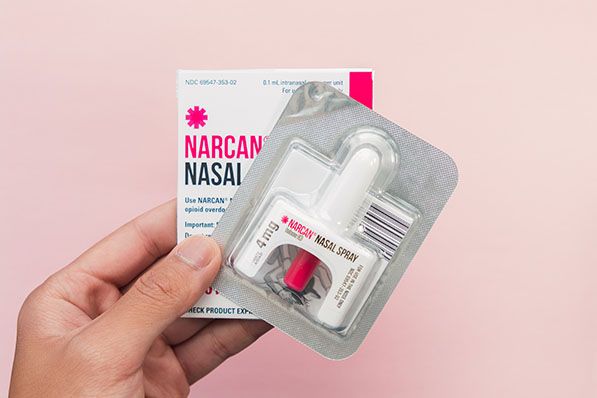
As part of the federal initiative to prioritize addiction treatment and recovery, the Occupational Safety and Health Administration (OSHA) released a new fact sheet, Opioid Overdose Rescue with Reversal Medications, to help employers and workers respond to an opioid-related overdose in the workplace.
OSHA’s fact sheet encourages employers to consider several proactive measures to improve workplace readiness for an opioid-related overdose emergency, including:
- Maintaining a supply of FDA-approved opioid overdose reversal medications so they are available during a time-sensitive emergency.
- Ensure overdose response supplies can be located quickly by placing them in clearly marked areas that employees can easily access.
- Provide training to employees to recognize the most common signs of a potential opioid overdose, including slowed or stopped breathing, bluish skin or lips, small pupils, clammy skin or a lack of responsiveness.
- Develop a response plan that prepares trained personnel to act promptly, from administering a reversal medication to assisting the affected individual until emergency medical professionals take over.
How Opioid Overdose Reversal Medications (OORMs) Work
Because an opioid overdose can cause a person's breathing to slow or stop entirely, opioid overdose reversal medications (OORMs) attach to the brain’s opioid receptors and block the opioids’ effects.
Currently, the two FDA-approved available medications are naloxone and nalmefene. Employers are most likely to encounter naloxone products, including nasal sprays that are available without a prescription in many locations.
These medications generally work quickly and safely when used as directed; however, they are only temporary interventions. Anyone who receives an overdose reversal medication still needs immediate medical attention, and emergency responders should be called right away, even if the person regains consciousness.
In some situations, an additional dose may be necessary if the medication’s effects wear off before emergency responders arrive.
Making OORMs Available at Work
Employers have several options for obtaining opioid overdose reversal medications for the workplace, including through pharmacies, wholesale distributors, standing orders, manufacturer programs, group purchasing arrangements or public health partnerships. Organizations that decide to keep these medications on site should inform employees about which product is available and provide guidance on its use.
Like other emergency supplies, overdose reversal medications require proper management. So, employers should follow the storage instructions provided with the product, keep medications away from excessive heat and direct sunlight, and monitor expiration dates. Assigning responsibility to a safety manager or another designated employee can help ensure supplies remain available and up to date.
OSHA also recommends placing these medications in visible and easily accessible locations. Many employers may find it practical to store them alongside first aid kits or automated external defibrillators. Larger facilities may benefit from maintaining supplies in multiple locations throughout the workplace.
Training Employees to Respond
A workplace response plan is only effective if employees understand what to do during an emergency.
OSHA suggests that employers consider voluntary training programs covering:
- Recognition of overdose warning signs.
- How overdose reversal medications work.
- Proper administration techniques.
- When additional doses may be needed.
- The importance of calling 911 immediately.
- How to place an individual in the recovery position.
- Good Samaritan law protections.
- Respectful and professional response practices.
- Resources for ongoing treatment and recovery.
Employees should learn to recognize common signs of an opioid overdose, including slowed or stopped breathing, unresponsiveness, blue lips, pinpoint pupils and unusual gurgling or snoring sounds.
Training should also prepare employees for the possibility that a person who receives an overdose reversal medication may experience withdrawal symptoms such as sweating, nausea, shaking or agitation.
Guidance, Not Requirements
It is important to note that, unlike maintaining first aid kits, employers are not required to keep OORMs on site, nor provide training to employees on recognizing the signs of an opioid overdose. OSHA’s fact sheet does not create new employer obligations but instead provides optional guidance and recommendations.
Additionally, in 2024, the California Division of Occupational Safety and Health (Cal/OSHA) released their own Opioid Hazard Alert, which provides guidance for employers regarding opioid overdoses and naloxone.
CalChamber members can read more drug and alcohol tests for employees, preparing for a Cal/OSHA Workplace Safety Inspection, providing safety training or creating an Injury and Illness Prevention Program in the HR California Library. Not a member? Explore the benefits of membership today!
Author