Employers Should Prepare for Potential El Niño Impacts
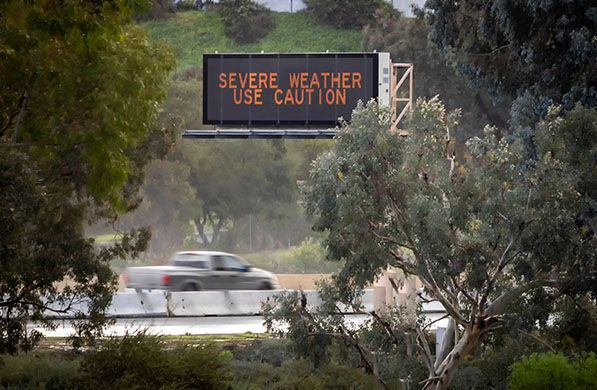
Already, active weather systems are beginning to move through California, as the National Weather Service predicts periods of heavy rainfall plus winter storm warnings and wind advisories across portions of California through Wednesday. Severe weather, including El Niño-influenced conditions, can bring heavy rain, flooding, strong winds, landslides, debris flows and power outages. The California Department of Industrial Relations (DIR) reminds employers to prepare for workplace hazards during this winter storm season.
Under Cal/OSHA regulations, employers are responsible for protecting workers from workplace hazards, including hazards created or worsened by severe weather. So, employers should review their worksites and procedures before storms arrive and take appropriate steps to protect employees. This may include:
- Reviewing and updating their Injury and Illness Prevention Programs and Emergency Action Plans.
- Monitoring weather, road and emergency conditions that could affect workers.
- Identifying hazards associated with flooding, high winds, downed power lines, unstable structures, landslides and debris flows.
- Making sure workers understand emergency procedures and how to report unsafe conditions.
- Providing appropriate training and protective equipment for employees involved in emergency response, cleanup or recovery work.
Importantly, employers cannot require workers to report to — or prevent them from leaving — an affected work area if they reasonably believe it is unsafe. Employers also cannot prevent workers from using their phones to seek emergency assistance, assess whether conditions are safe or check on the safety of others. Certain workers, including first responders and disaster service workers, may be exempt from these protections.
In addition to safety obligations, employers should be aware of the potential wage-and-hour issues that may come up when severe weather hits. For instance, for nonexempt or hourly employees, the time an employer requires an employee to wait for work — e.g., while waiting for power to come back without excusing employees — must be paid.
Certain situations may also trigger California’s reporting time pay obligations. If an employer sends an employee home before they’ve worked at least half their shift, they may be required to pay them for half of their expected shift. However, this law has many exceptions, such as when public utilities fail or when work is interrupted by an act of God or other causes not within the employer’s control.
For exempt employees during emergency conditions, employers should apply the general rule that if an exempt employee does any work in a week, they must be paid for the week. If the employee is ready and willing to work but is unable to for some reason, the best practice is to pay the employee.
If an employer wants to exercise an exception that allows for not paying employees affected by severe weather, the employer should consult with legal counsel before doing so.
Finally, remember employers will be required to note on the Wage Theft Act Notice to Employees the existence of a federal or state emergency or disaster declaration applicable to the county or counties where an employee is to be employed, and that was issued within 30 days before the employee’s first day of employment, if the declaration may affect their health and safety during their employment.
For this upcoming El Niño-influenced winter, the California Governor’s Office of Emergency Services (Cal OES) has developed an El Niño Tool Kit, which has free materials in many languages that employers can share to promote disaster preparedness, such as:
- Stay Safe in Fast and Cold Water.
- Evacuation Warning vs. Order.
- Updated Disaster Ready Guide.
- Quick Guide to Safety Before, During and After a Storm.
CalChamber members can read more about Reporting Time Pay, Emergency Conditions, Emergency Action Plans and Injury and Illness Prevention Programs in the HR Library. Not a member? Learn how to power your business with a CalChamber membership.