From the Experts: What to Do When Firing an Employee Who Refuses to Come to Office
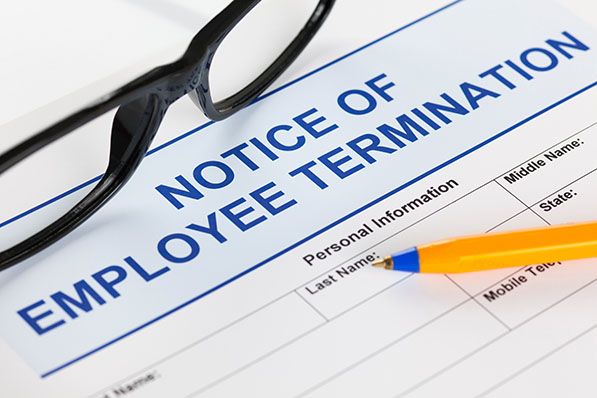
We have an employee who was suspended pending an investigation, and we plan to terminate him today. We have his final paycheck at the office ready for him to pick up. However, he refuses to return our call and wants to communicate only via text message. What are our options for response? How do we manage his termination, pay any reporting time and give him his final paycheck?
After you have completed the investigation and decided to terminate employment, you should set clear expectations when communicating with your employee, as well as pay them for any reporting time pay and give their final paycheck when they are terminated.
Communicating Termination
Here, if you normally terminate employees in person and are trying to speak to the employee to communicate the timing and details of the meeting, you still can communicate scheduling details via voicemail, text message or email.
Communicate clearly to the employee that they are expected to report to work for a meeting with their supervisor, including the meeting details, such as specific time and location.
Meeting and Reporting Time Pay
You must pay a minimum of two hours to a maximum of four hours of reporting time pay if employees report for work as scheduled or at your request but are provided less than half of their usual or scheduled day’s work.
Because the employee was suspended, asked to come in for a meeting and not scheduled to work their regular shift, then the employee would need to be paid for time spent in the meeting plus any applicable reporting time. For example, if the meeting was 30 minutes, they also would receive an hour-and-a-half reporting time pay.
However, if the employee came in during a regularly scheduled workday and was expecting to work their regular shift, then the employee would be paid half of their regularly scheduled shift, with a minimum of two hours and maximum of four hours.
Final Pay
Ensure that you provide the employee with their final paycheck, including all wages and vacation accrual payout, at the time and place of termination.
Here, when the employee comes to the meeting, you would provide them with their final paycheck at that time. Employers who pay final paychecks late owe a day of pay for every day late, up to 30 days, as waiting time penalties.
Employee Refuses to Come to Work or Return Calls
If the employee does not come to work for the meeting and refuses to communicate via phone, you may need to communicate the termination through other means. For example, you could decide to send the employee’s termination via mail along with the required termination documents and final paycheck.
Their final paycheck is due at time of termination. Terminated employees must be paid at the place of termination, and the place of termination is the employee’s location, not yours.
If you terminate an employee who is not at your place of business, you must be prepared to deliver the final paycheck at the moment the employee is notified of the termination. Otherwise, you may be liable for waiting time penalties.
If you require the employee to complete any termination documents/forms or require action from the employee where the employee is subject to the employer’s control or suffered/permitted to work, this would be compensable time, and this pay should be included in the final paycheck.
Ashley Huynh, Employment Law Expert, CalChamber
CalChamber members can read Final Pay in the HR Library. Not a member? Learn how to power your business with a CalChamber membership.